Vitamins & Supplements Explained
Clear, evidence-informed guides to help you understand popular nutrients and supplements, including omega-3, vitamin C, quercetin, vitamin D3, magnesium, vitamin B12, probiotics, iron, collagen and turmeric.
Explore the GuidesLast updated: May 2026
Evidence-informed educational resource.
Explore Our Supplement Guides
Start with a topic below, then continue into the full guide for product education, key nutrient roles and related product ranges.

Omega-3 Fatty Acids Explained
Learn about EPA, DHA and the role of omega-3 fatty acids in everyday nutrition.
Read Guide
Vitamin C Explained
Discover vitamin C’s authorised roles in immune function, collagen formation and antioxidant protection.
Read Guide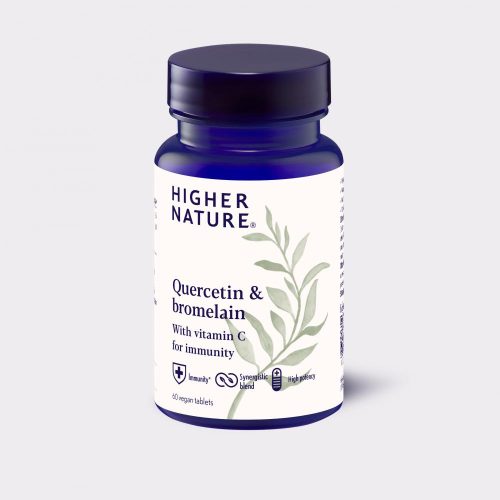
Quercetin & Bromelain
An educational look at plant flavonoids, pineapple enzymes and antioxidant-focused nutrition.
Read Guide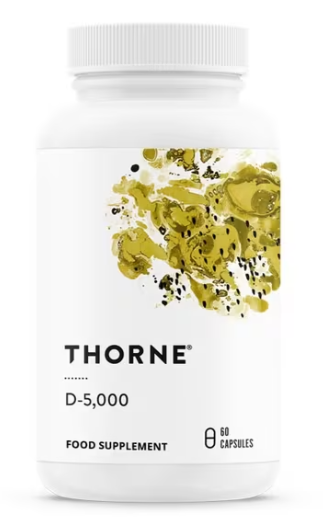
Vitamin D3 Explained
Understand vitamin D3, sunlight, immune function, bones and normal muscle function.
Read Guide
Magnesium Explained
Learn why magnesium matters for normal muscle function, energy metabolism and the nervous system.
Read Guide
Vitamin B12 Explained
Explore B12’s role in normal energy metabolism, red blood cell formation and nervous system function.
Read Guide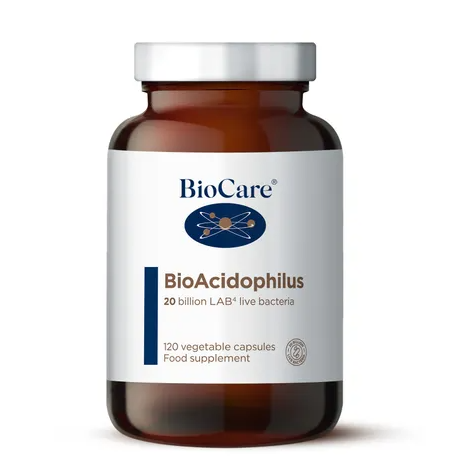
Probiotics Explained
Understand live bacteria, strain selection and the rapidly growing science of the gut microbiome.
Read Guide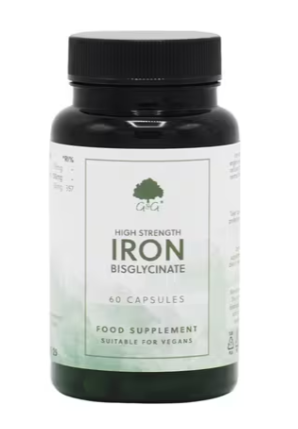
Iron Explained
Learn about iron, oxygen transport, red blood cells and tiredness and fatigue.
Read Guide
Collagen Explained
A cornerstone guide to collagen types, collagen peptides, vitamin C and connective tissue nutrition.
Read Guide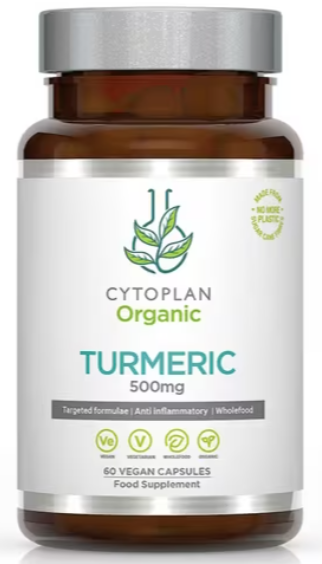
Turmeric & Curcumin
Discover the golden spice, curcumin and why botanical ingredients remain popular in wellness nutrition.
Read GuideWhat Are Omega-3 Fatty Acids? Benefits, Sources & Research
Omega-3 fatty acids are essential fats that must be obtained through food or supplementation. EPA and DHA are the best-known omega-3s and are naturally found in oily fish such as salmon, sardines, anchovies and mackerel.
Authorised UK health claims state that EPA and DHA contribute to the normal function of the heart, while DHA contributes to the maintenance of normal brain function and normal vision at specified daily intakes.
Featured product: VEGEPA® 60s
VEGEPA® combines EPA omega-3 from wild anchovy fish oil with GLA from evening primrose oil and vitamin E.
Shop VEGEPAWhat foods contain omega-3?
Oily fish such as salmon, sardines, mackerel, trout and anchovies are rich natural sources of EPA and DHA.
What is the difference between EPA and DHA?
EPA and DHA are both omega-3 fatty acids. They are found together in marine oils but have different roles within the body.
Vitamin C Benefits: What Does Science Say?
Vitamin C is a water-soluble vitamin found in citrus fruit, berries, peppers, kiwi, broccoli and other fruits and vegetables. Humans cannot make vitamin C, so regular intake is important.
Vitamin C contributes to normal immune system function, normal collagen formation for the normal function of skin, bones, cartilage and blood vessels, protection of cells from oxidative stress, normal energy-yielding metabolism and the reduction of tiredness and fatigue.
Featured product: Vitamin C 1000mg Time Release
A convenient time-release formulation designed to support daily vitamin C intake.
Shop Vitamin CQuercetin and Bromelain: What Are They and How Do They Work?
Quercetin is a plant flavonoid found in foods such as onions, apples, berries and leafy greens. Bromelain is an enzyme complex derived from pineapple stems. The two ingredients are often paired in supplements.
Quercetin is widely researched for antioxidant activity and interaction with normal biological pathways. Bromelain is commonly used alongside quercetin in combination formulas.
Featured product: Quercetin & Bromelain
A popular combination of plant flavonoid quercetin with bromelain from pineapple.
Shop Quercetin & BromelainVitamin D3 Benefits, Sources & Daily Intake Guide
Vitamin D is produced when skin is exposed to sunlight and is also found in foods such as oily fish, eggs and fortified products. Vitamin D3 is a commonly used supplement form.
Vitamin D contributes to the normal function of the immune system, maintenance of normal bones and teeth, normal muscle function, and normal absorption and utilisation of calcium and phosphorus.
Featured range: Vitamin D3
Explore Vitamin D products selected to support everyday nutritional intake.
Shop Vitamin D3Magnesium Benefits: Why This Essential Mineral Matters
Magnesium is involved in many normal biochemical processes and is found in nuts, seeds, wholegrains, legumes and leafy green vegetables.
Magnesium contributes to normal muscle function, normal nervous system function, normal psychological function, normal energy-yielding metabolism, reduction of tiredness and fatigue and maintenance of normal bones.
Featured range: Magnesium
Explore magnesium formulas including citrate, glycinate, malate and specialist blends.
Shop MagnesiumVitamin B12 Benefits, Sources & Daily Requirements
Vitamin B12 is found mainly in animal-based foods including meat, fish, eggs and dairy. It is particularly relevant for people following vegan or vegetarian diets.
Vitamin B12 contributes to normal energy-yielding metabolism, normal red blood cell formation, normal nervous system function, normal psychological function, normal immune system function and reduction of tiredness and fatigue.
Featured product: Vitamin B12 1,000µg
Small, easy-to-swallow tablets providing 1,000µg vitamin B12 per tablet.
Shop Vitamin B12What Are Probiotics? Understanding Gut Health & The Microbiome
Probiotics are live microorganisms used in foods and supplements. The gut microbiome is the community of microorganisms that live within the digestive tract and is one of the fastest-growing areas of nutritional science.
Different strains have different characteristics, so strain identity, product quality and storage instructions are important when choosing a supplement.
Featured range: Live Bacteria
Explore probiotic and live bacteria formulas for everyday gut health routines.
Shop Live BacteriaIron Benefits: Why This Essential Mineral Is Important
Iron is an essential mineral required for the normal formation of red blood cells and haemoglobin. It also contributes to normal oxygen transport in the body.
Iron contributes to normal energy-yielding metabolism, normal cognitive function, normal immune system function and reduction of tiredness and fatigue.
Featured product: High Strength Iron Bisglycinate
An iron bisglycinate supplement from G&G.
Shop IronWhat Is Collagen? Types, Benefits & Scientific Research
Collagen is the most abundant protein in the human body and is naturally found in skin, bones, cartilage, tendons, ligaments and connective tissues. Most collagen in the body belongs to Types I, II and III.
Collagen supplements often contain hydrolysed collagen peptides. Vitamin C is especially relevant because it contributes to normal collagen formation for the normal function of skin, cartilage, bones, blood vessels, teeth and gums.
Featured product: MetaActive Collagen Forte
A collagen-focused formula suitable for a premium healthy-ageing and connective-tissue education page.
Shop CollagenTurmeric and Curcumin: Benefits, Uses & Research
Turmeric is a bright yellow spice derived from the root of the Curcuma longa plant. Curcumin is one of turmeric’s naturally occurring compounds and is responsible for much of its distinctive yellow colour.
Curcumin has attracted scientific interest because of its interaction with antioxidant and normal biological pathways. Many supplement formulas include black pepper extract to support curcumin bioavailability.
Featured range: Botanical nutrition
Add your chosen turmeric or curcumin product here once the exact product page is selected.
Shop Herbs